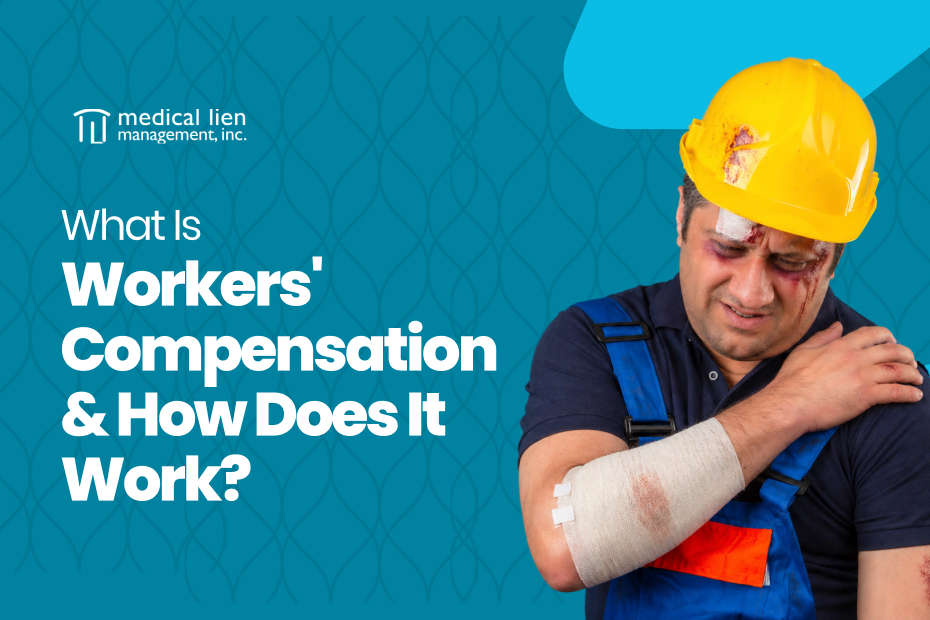
What Is Workers' Compensation?
Workers' Compensation is a legally mandated insurance program that provides benefits to employees who suffer job-related injuries or illnesses. It is designed to ensure that workers receive timely medical care and financial support while employers avoid costly lawsuits. This system operates under a no-fault principle, meaning employees do not need to prove employer negligence to receive benefits. As long as the injury is work-related, compensation is generally provided.Key aspects of Workers' Compensation:
- Covers medical expenses for work-related injuries
- Provides wage replacement during recovery
- Offers disability benefits for long-term conditions
- Supports rehabilitation and return-to-work programs
How Workers' Compensation Works
The workers' compensation process follows a structured workflow to ensure that claims are handled properly and benefits are delivered efficiently.1. Reporting a Work Injury
The first and most critical step is reporting a work injury to the employer immediately after the incident occurs.- Employees must notify supervisors as soon as possible.
- Written reports may be required in some workplaces.
- Delayed reporting can lead to claim denial.
2. Filing Workplace Injury Claims
After the injury is reported, workplace injury claims are filed with the employer’s insurance provider.- The employer submits the claim to the insurance company.
- Insurance providers review injury details.
- The claim is approved or denied based on eligibility.
3. Medical Evaluation and Treatment
Once the claim is initiated, the injured employee receives medical treatment.- Employees may need to visit approved healthcare providers.
- Treatment plans must align with insurer guidelines.
- Ongoing care may include therapy or rehabilitation.
4. Determining Maximum Medical Improvement
At a certain point, the employee reaches Maximum Medical Improvement (MMI), meaning their condition has stabilized.- No further significant recovery is expected.
- Long-term disability may be evaluated.
- Future treatment needs are assessed.
5. Benefit Calculation and Payment
Once eligibility is confirmed, employees receive workers' comp benefits based on their injury and recovery status.- Temporary disability payments for short-term recovery
- Permanent disability benefits for lasting impairments
- Wage replacement based on earnings
- Coverage of medical expenses
What Are Workers’ Comp Benefits?
Workers' compensation provides a wide range of benefits to support injured employees and ensure they can recover without financial hardship. These benefits are designed to cover both immediate medical needs and long-term financial stability. Types of workers' comp benefits include:- Full or partial coverage of medical expenses
- Temporary disability payments
- Permanent disability compensation
- Vocational rehabilitation services
- Death benefits for dependents (in severe cases)
Who Is Eligible for Workers’ Compensation?
Understanding eligibility for workers' comp is essential for determining whether a claim qualifies for benefits. Not every injury automatically qualifies, so meeting the required conditions is important. Eligibility criteria include:- The injury must occur during work-related activities.
- The employee must be covered under employer insurance.
- The claim must be reported within the required timeframe.
What Types of Injuries Are Covered Under Workers’ Compensation?
Workers’ compensation covers a broad range of work-related injuries and illnesses, including both sudden accidents and conditions that develop over time. Types of covered injuries include:- Physical injuries from workplace accidents
- Repetitive stress injuries (e.g., carpal tunnel syndrome)
- Occupational illnesses caused by workplace exposure
- Mental health conditions related to work stress (in some cases)
How Does Workers’ Comp Coverage Work?
Workers’ comp coverage ensures that employees receive financial and medical support after workplace injuries, reducing the burden on both workers and employers. Coverage typically includes:- Medical treatment and hospital care
- Wage replacement during recovery
- Disability benefits
- Rehabilitation services
Common Challenges in Workers’ Compensation Claims
Despite its benefits, the Workers' Compensation system can present challenges for both employees and employers. These issues often arise due to strict regulations and complex procedures. Common challenges include:- Delayed claim approvals
- Disputes over injury claims
- Insufficient or missing documentation
- Denied claims due to technical errors
- Complex regulatory requirements
Tips for Managing Workers’ Compensation Claims
To ensure a smooth claim process, both employees and employers should follow best practices that improve efficiency and reduce errors.- Report injuries immediately.
- Maintain detailed medical records
- Follow approved treatment plans
- Communicate regularly with insurers
- Understand rights and responsibilities