By Ross Haider | FinTech Mediators
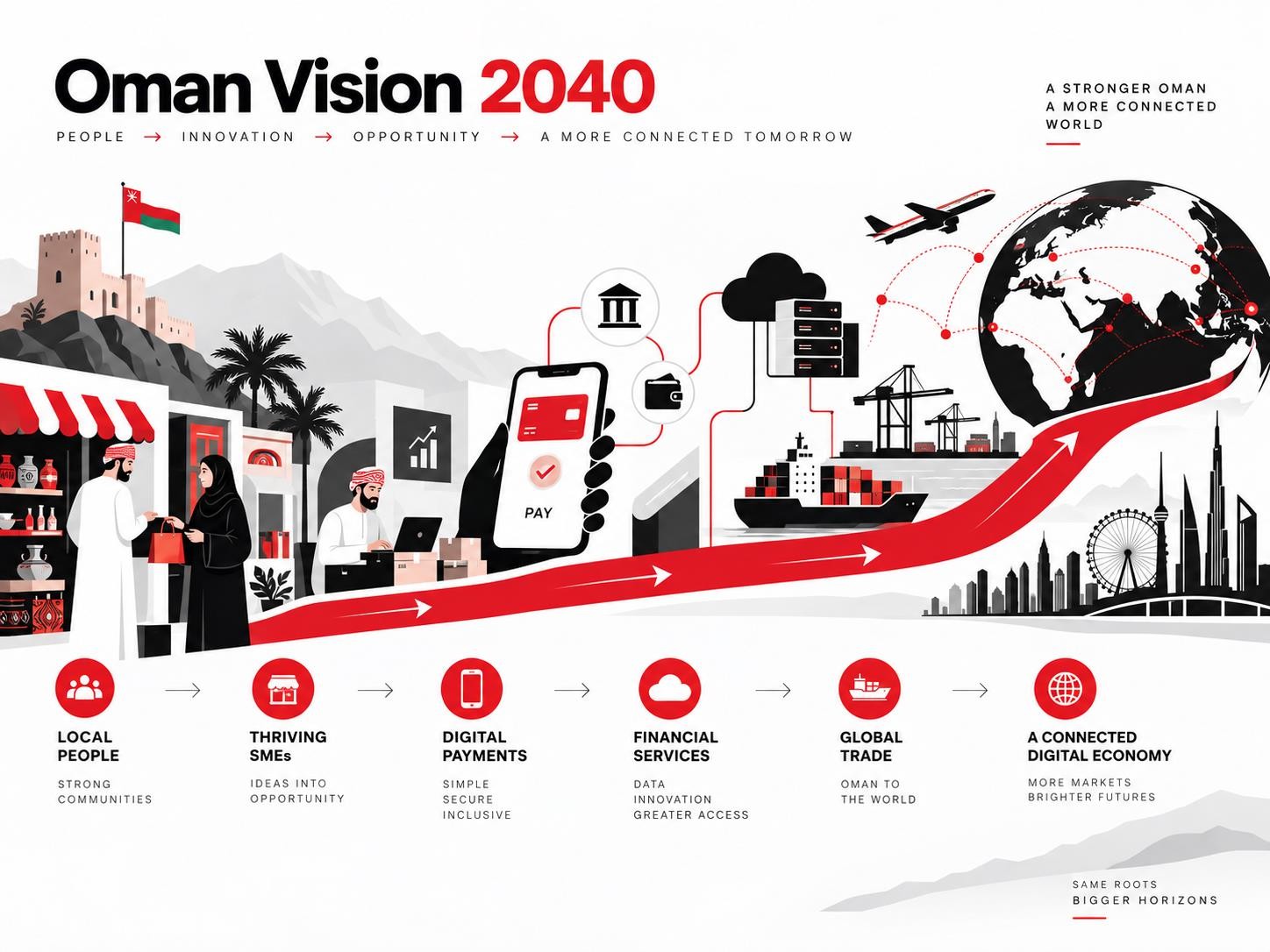
Oman’s digital future will not be shaped by technology adoption alone. It will also be shaped by the quality of the partnerships that help banks, businesses, regulators and innovators work together. Under Oman Vision 2040, FinTech partnerships can play a practical role in strengthening financial infrastructure, supporting SMEs, improving cross-border connectivity and helping Oman participate more confidently in the global digital economy.
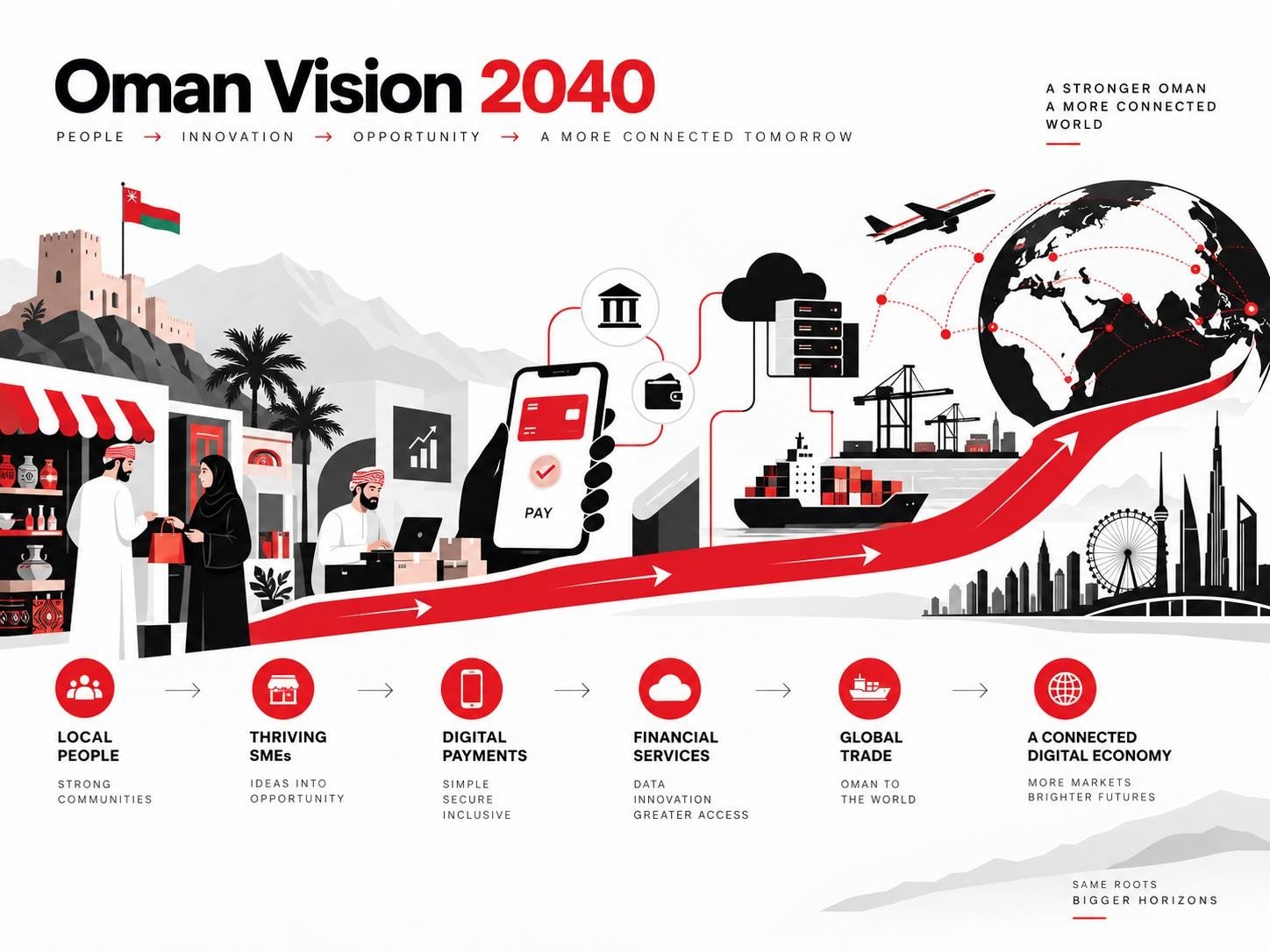
Over three decades in banking, payments and FinTech have taught me that successful financial ecosystems are rarely built by one institution, one technology company or one country working in isolation.
They are built through connections: connections between banks and technology companies, between buyers and sellers, between regulators and innovators, between local expertise and international capabilities, and increasingly, between countries and global digital ecosystems.
This is why I see a particularly interesting opportunity emerging in the Sultanate of Oman. Under Oman Vision 2040, the country is pursuing an ambitious transformation built around economic diversification, innovation, technology, private-sector development and greater international competitiveness.
FinTech can play an important role in that journey. But I believe Oman’s opportunity is not simply to consume global financial technology. Oman can become an important connector within the global FinTech ecosystem.
From an Oil Economy Toward a Digital Economy
Economic diversification sits at the heart of Oman Vision 2040, and technology and digitalization provide an important mechanism for achieving it.
Oman’s National Digital Economy Program has established an ambitious objective: increase the digital economy’s contribution to GDP from approximately 2% to 10% by 2040. That transformation encompasses artificial intelligence, cloud computing, e-commerce, data and other digital technologies.
Financial technology provides another important layer. Every digital economy needs the ability to move money. Businesses need to collect payments. Companies need to pay suppliers. Consumers need digital financial services. Banks need modern infrastructure. International businesses need cross-border connectivity. And SMEs need financial tools that allow them to participate effectively in an increasingly digital economy.
FinTech is therefore not simply another technology vertical. It is part of the connective tissue of a modern economy.
Why FinTech Partnerships Matter in Practice
For Oman, the value of FinTech partnerships is not theoretical. It is practical and market-facing. The right partnerships can help modernize payment infrastructure, improve access to digital financial services, support SME growth, strengthen fraud prevention and make cross-border transactions more efficient.
They can also help local institutions reduce time-to-market. Instead of trying to build every capability internally, banks, PSPs, enterprises and other stakeholders can work with specialist providers that have already invested years in developing tested platforms and infrastructure.
This partnership-led model often reduces duplication, accelerates innovation and allows local market participants to focus on adoption, trust, customer relationships and commercial execution.
Oman Doesn’t Need to Build Everything
There is an important point here: digital transformation does not mean every technology capability needs to be developed domestically.
Around the world, specialist companies have spent years developing highly sophisticated platforms for:
- card issuing
- payment acquiring
- payment orchestration
- fraud management
- tokenization
- POS systems
- data enrichment
- digital identity
- cross-border payments
- AI-enabled financial services
- and other critical components of modern financial infrastructure
The opportunity for Oman is to combine the best international technologies with its own banking system, regulatory environment, businesses, entrepreneurs and local expertise.
That requires partnerships. And partnerships require connections.
The Missing Link Between Great Technology and Great Opportunities
I have encountered this challenge repeatedly during my career. Somewhere in Europe, Asia, North America, the Middle East or Africa there is a technology company with an excellent solution. Somewhere else, there is a bank, PSP, FinTech or enterprise with exactly the problem that technology solves. Yet the two organizations never meet.
The buyer does not know the technology exists. The technology company does not understand the market. The sales organization does not have relationships in the country. The buyer is not comfortable contracting with an unfamiliar foreign supplier. Or neither side understands how to structure the relationship commercially.
The technology exists. The customer exists. The business case exists. The connection does not.
That gap represents a significant opportunity.
Why We Created FinTech Mediators
This thinking sits at the heart of FinTech Mediators, based in Muscat. Our objective is straightforward: connect the right FinTech solutions with the right buyers in the right markets.
We work with technology providers looking for additional distribution channels and international market access. We identify banks, PSPs, FinTechs and enterprises that can benefit from those solutions. And where there is a genuine fit, we help bring the parties together and move the opportunity toward a commercial outcome.
We are not trying to manufacture technology. There is already outstanding technology available globally. Our role is to help that technology find the right market. That distinction is important.
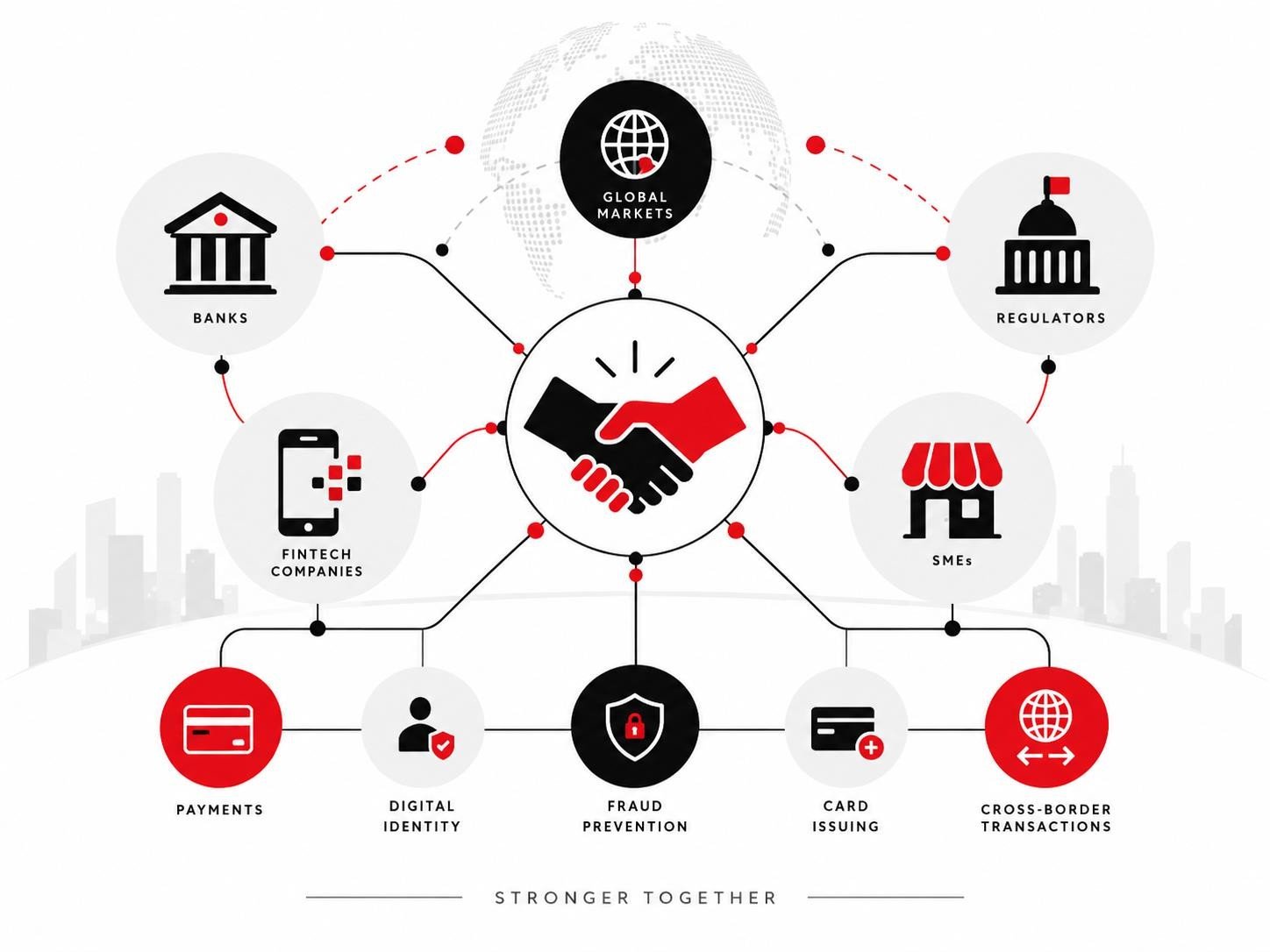
Figure 2. FinTech partnerships work best when banks, regulators, technology providers and SMEs are connected through a clear ecosystem.
From Oman to Global Markets
Being based in Oman does not mean focusing exclusively on Oman. Quite the opposite.
Oman’s location provides natural connectivity to the GCC, Indian subcontinent, Africa and wider international markets. That creates an interesting opportunity to build a FinTech distribution business headquartered in Muscat but operating internationally.
A technology company in Europe may want distribution into the GCC. A payments provider in the Middle East may want access to Africa. An Asian FinTech may need relationships with banks in emerging markets. An African financial institution may be looking for technology already operating successfully elsewhere.
Our role is to help create those connections. Technology may be global. Business relationships remain remarkably human.
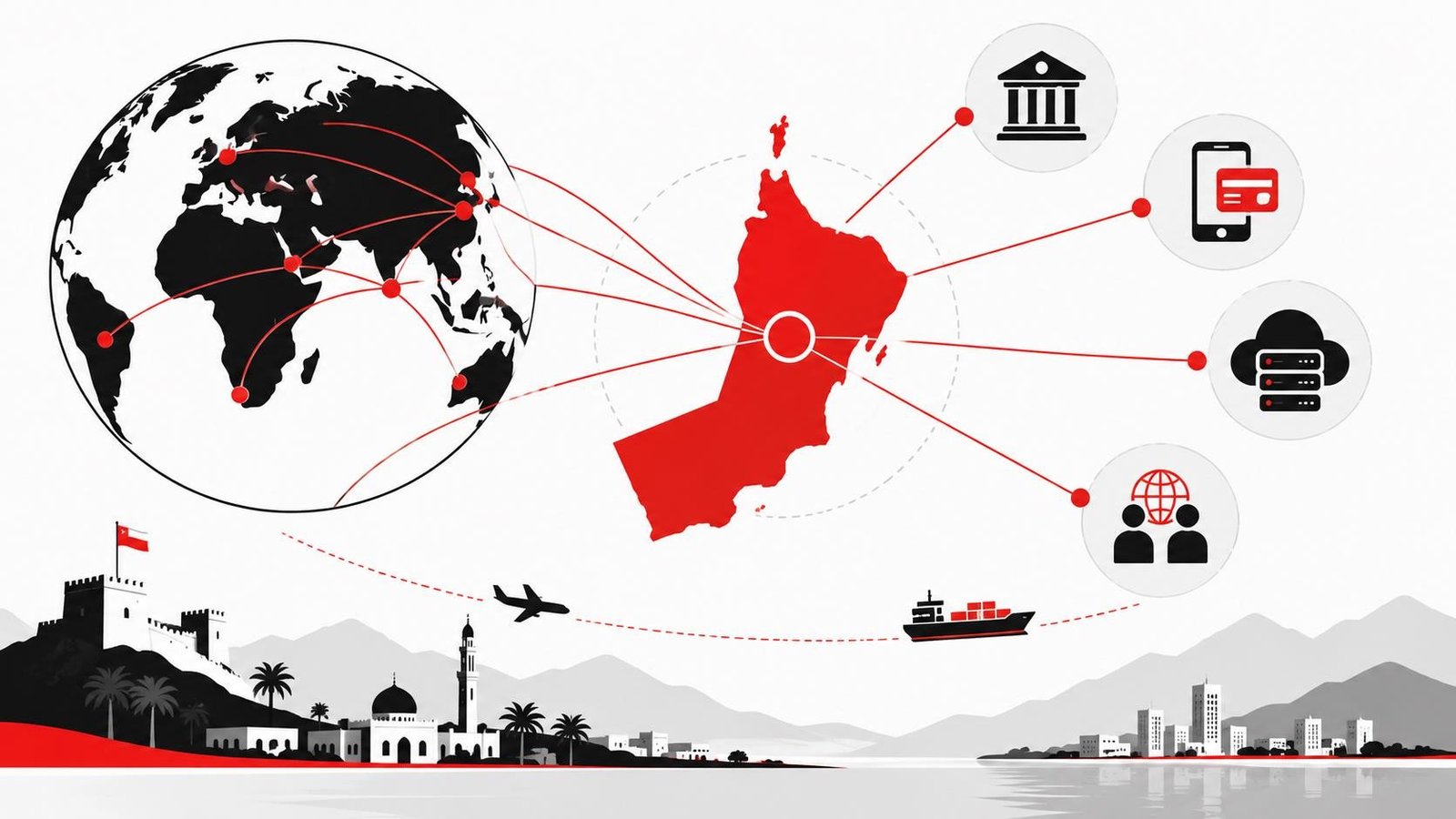
Figure 3. Oman can act as a connector between local opportunity and global financial, trade and technology networks.
Supporting the Vision Through Private-Sector Participation
There is strong alignment between this model and the direction of Oman Vision 2040. Oman’s national programs emphasize economic diversification, attracting investment, expanding exports, strengthening the private sector and developing a modern digital economy.
The Central Bank of Oman has also articulated a FinTech vision centred on building a dynamic digital financial ecosystem that supports competitive and diversified economic sectors. Its objectives include economic growth, job creation, financial integrity, support for startups and SMEs, financial inclusion, local talent and movement toward a more cashless society.
These objectives create an environment in which FinTech partnerships can have impact far beyond payments. When an Omani company introduces international technology into the region, it creates commercial activity. When international companies use Oman as a gateway to new markets, it strengthens international business relationships. When banks and FinTechs gain access to better technology, it improves financial infrastructure. And when local professionals participate in those relationships, knowledge and expertise remain within the ecosystem.
That is how a distribution business can contribute to a broader digital economy.
Where Partnerships Can Deliver the Most Value
Several areas are especially well suited to partnership-led growth in Oman. Payments modernization can improve acceptance, settlement and merchant enablement. Digital identity and compliance infrastructure can support trust, onboarding and financial inclusion.
Fraud management and data-enrichment tools can improve resilience and decision-making. Cross-border payment solutions can strengthen trade and remittance efficiency. And AI-enabled financial services can help institutions deliver better experiences at lower operational cost.
None of these areas requires Oman to work in isolation. In many cases, the most effective route is to combine strong local institutions with proven international technology and commercially aligned execution partners.
The Future of FinTech Is Collaborative
The FinTech industry spent much of the last decade talking about disruption: FinTechs disrupting banks, digital payments disrupting cash and crypto disrupting traditional finance.
I believe the next decade will be increasingly defined by a different word: collaboration.
Banks working with FinTechs. FinTechs working with infrastructure providers. Traditional payments connecting with digital assets. AI companies integrating with financial institutions. International technology companies partnering with local specialists.
No organization needs to build everything. But every organization needs to know who it should connect with.
Connecting Oman With the Global FinTech Ecosystem
Oman Vision 2040 provides an ambitious framework for building a diversified, digitally enabled and internationally competitive economy. Government creates the vision. Regulators create the framework. Entrepreneurs create businesses. Technology companies create solutions. But markets grow when those elements connect.
That is the role we want FinTech Mediators to play: based in Muscat, connected internationally, focused on FinTech, and built around one simple objective, bringing the right parties together to get business done.
Because sometimes the technology already exists. The customer already exists. The opportunity already exists. They simply need to find each other.
Conclusion
Oman’s opportunity in FinTech is bigger than adoption alone. It is about positioning the country as a practical bridge between innovation, demand and market access. If Oman continues to support a partnership-led approach to digital growth, it can strengthen its own financial ecosystem while also increasing its relevance within the wider global digital economy.