Treating a patient after an accident is only half the job. Getting paid for that care often depends on attorneys, insurance carriers, and a settlement that can take months to finalize. For Oakland pro...
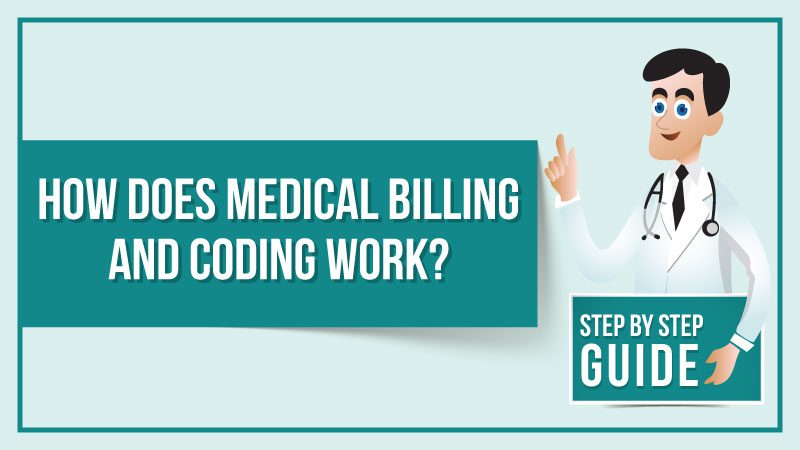
Medical billing may seem complex, but it follows a clear, step-by-step process essential for efficient healthcare practice management. From patient registration and verifying insurance coverage to submitting claims and managing payments, each stage ensures accurate communication between providers, patients, and payers. Utilizing updated coding standards and electronic claim submissions reduces errors and speeds reimbursement. Whether handled in-house or outsourced, understanding these core elements helps practices maximize revenue and deliver better patient care.
Durable Medical Equipment (DME) billing is a specialized area requiring expertise in HCPCS Level II codes and knowledge of insurance coverage. DME includes long-lasting medical devices like wheelchairs, hospital beds, and nebulizers, often prescribed based on medical necessity for patients with chronic illnesses or disabilities. Medicare covers around 80% of DME costs, making accurate billing essential. Key considerations when selecting DME include verifying medical necessity, evaluating usage benefits, checking warranty periods, reviewing user feedback, and ensuring cost-effectiveness—all crucial for providing quality patient care and efficient billing.
In 2024, medical billing is set to evolve with key trends that focus on improving accuracy, efficiency, and patient experience. Enhanced digital integration will streamline billing processes and reduce errors, while revised coding standards aim to minimize claim denials. Telehealth billing will receive clearer guidelines, reflecting its growing importance. Patient-centric billing practices will boost transparency and trust, and advanced data security measures—especially with blockchain technology—will protect sensitive information and prevent fraud. Additionally, artificial intelligence will continue transforming billing by automating tasks and reducing errors. Outsourcing medical billing services is also on the rise, helping providers focus more on patient care. Together, these trends promise a faster, safer, and more patient-friendly billing environment in healthcare.
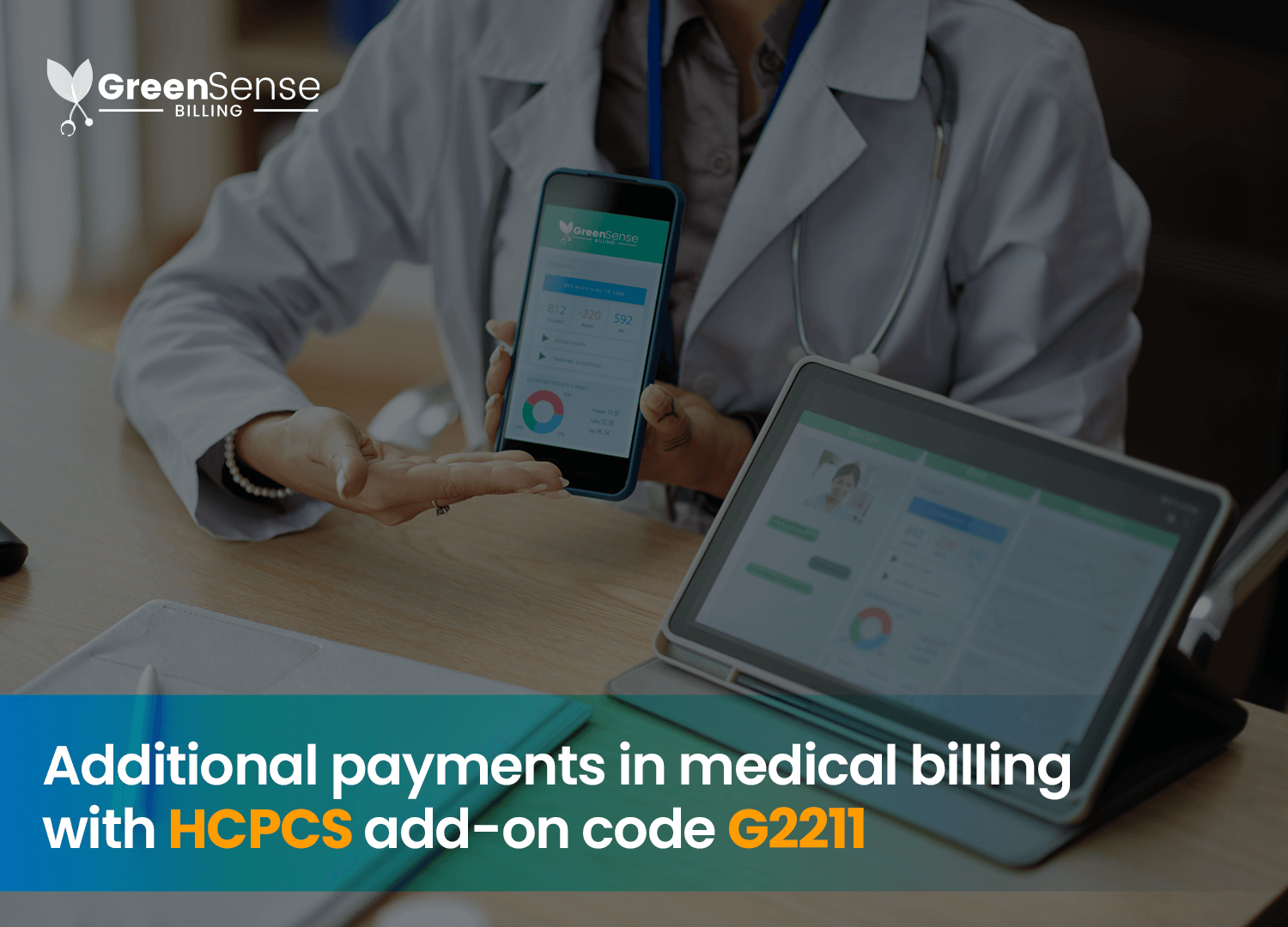
Starting January 1, 2024, Medicare will introduce HCPCS add-on code G2211 to better compensate healthcare providers for the extra time and effort involved in managing patients with chronic or complex conditions. This new code, part of the Medicare Physician Fee Schedule, addresses longstanding concerns about underpayment for complex care. G2211 applies primarily to outpatient and office visits, providing additional reimbursement—estimated around $16 per visit—to help offset the overall decrease in Medicare payment rates. It encourages comprehensive, value-based care, benefiting both providers and patients by promoting sustained, quality management of chronic illnesses. Healthcare practices must update their billing processes and train staff to maximize the advantages of G2211, marking a significant step toward more equitable compensation and improved patient care.
Home-based medical billing offers healthcare providers independence, cost control, and flexible work options through HIPAA-compliant software. Choosing the right medical billing software, like GreenSenseBilling, can streamline revenue management and boost practice profitability.
RCM, in essence, stands as a critical pillar, ensuring the financial health and operational efficiency of healthcare facilities. It is the backbone that supports healthcare providers by managing the financial processes - from patient registration to final payment.
The average claim rate in the healthcare industry varies between 5 to 10 percent as observed by AAFP (American Academy of Family Physicians). Thus allowing ample room for slip-ups while billing and coding for numerous medical procedures and/or physicians whether submitting bills electronically or manually.
As per the medical experts, they lose approximately 30 cents of every dollar they earn due to medical billing scams, that they have to bear in the Medical Billing industry. With a bucket load of loopholes and technicalities that are vulnerable to fraudulent practices, and the regular person's incapability to juggle their way through a load of paperwork, it's unsurprising that people and the government fall for the heaps of medical billing fraud each year.